The world of small live music venues is both exhilarating and unforgiving. These intimate spaces, often referred to as Livehouses, serve as the lifeblood of local music scenes, nurturing emerging artists and fostering tight-knit communities. Yet, keeping the doors open requires more than just passion—it demands strategy, adaptability, and a deep understanding of the ecosystem.
The Heartbeat of Local Culture
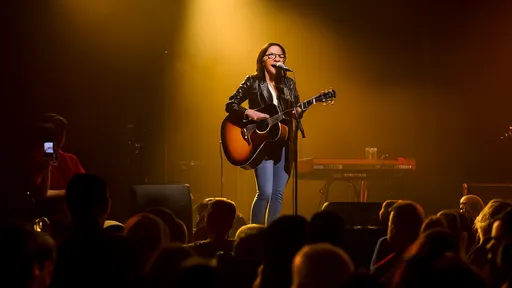
Small Livehouses occupy a unique space in the cultural landscape. Unlike large concert halls or stadiums, they offer an immediacy and rawness that can’t be replicated. The proximity between performers and audiences creates electric energy, turning every show into a shared experience. For many musicians, these venues are the first stages where they cut their teeth, building confidence and honing their craft in front of real, responsive crowds.
But running a Livehouse isn’t just about booking bands and selling tickets. It’s about curating an environment where creativity thrives. The best venues develop a distinct identity—whether it’s a dive bar with punk roots or a cozy spot for acoustic sessions—that resonates with both artists and patrons. This identity becomes the venue’s calling card, attracting like-minded individuals who return not just for the music, but for the vibe.
Financial Realities and Creative Solutions
Let’s be blunt: money is always tight. Rent, utilities, staff wages, and equipment maintenance add up quickly, and profit margins are often razor-thin. Many Livehouses operate on a shoestring budget, relying on a mix of ticket sales, bar revenue, and occasional grants to stay afloat. The challenge is balancing the books without sacrificing the venue’s soul.
Some owners have found success by diversifying their offerings. Hosting themed nights, open mics, or even non-music events like comedy or poetry slams can draw in crowds on traditionally slow nights. Others partner with local breweries or distilleries to feature exclusive drinks, creating an additional revenue stream. Merchandise sales—both for the venue and the performing artists—can also chip away at expenses. The key is to think beyond the stage while staying true to the venue’s core mission.
The Booking Dilemma
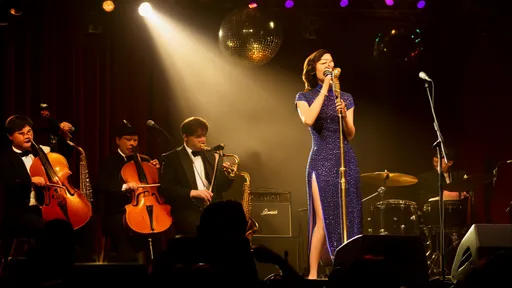
Booking the right acts is equal parts art and science. Too many unknowns, and the crowd might not show up. Too many established acts, and the overhead costs can spiral. The sweet spot lies in mixing local talent with occasional touring bands that have a dedicated following. Building relationships with artists, promoters, and even other venues can lead to collaborations that benefit everyone involved.
Word of mouth remains a powerful tool in the Livehouse world. When a venue earns a reputation for treating artists well—paying them fairly, providing decent backstage amenities, and fostering a respectful atmosphere—word gets around. This goodwill can translate into better bookings and more enthusiastic crowds, creating a virtuous cycle that keeps the venue thriving.
Community: The Invisible Backbone
A Livehouse isn’t just a business; it’s a hub for a community. Regulars who show up week after week, volunteers who help with setup and teardown, and local journalists who cover shows all contribute to the venue’s ecosystem. Engaging with this community through social media, newsletters, or even old-school flyers helps maintain a sense of connection and belonging.
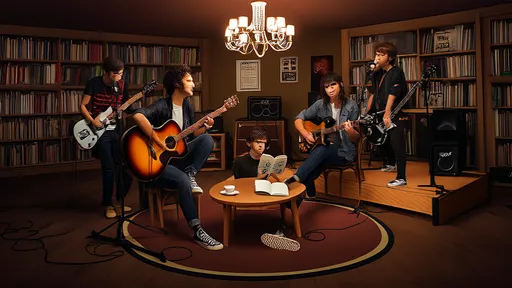
Some of the most resilient venues have leaned into their role as community spaces, offering workshops, artist meetups, or even serving as polling stations during elections. These efforts might not directly boost the bottom line, but they solidify the venue’s place in the neighborhood’s cultural fabric, making it harder to disappear.
Weathering the Storms
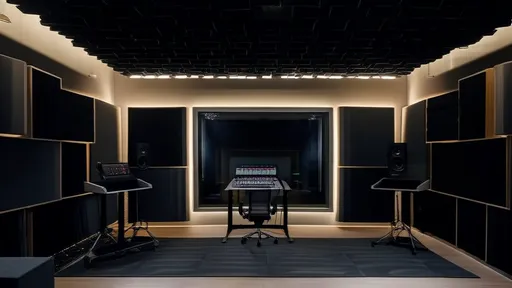
Every Livehouse faces existential threats at some point—noise complaints from new neighbors, rising rents pushing them out of gentrifying areas, or global pandemics shutting down live music entirely. The venues that survive are often the ones that adapt without losing their essence. That might mean investing in better soundproofing, negotiating long-term leases, or finding creative ways to stay relevant during tough times, like streaming shows or offering virtual tip jars.
At the end of the day, running a small Livehouse is a labor of love. The rewards aren’t measured just in dollars, but in the moments when a room full of strangers becomes a unified audience, or when a young band plays their first show and leaves the stage buzzing with possibility. Those are the moments that make all the struggles worthwhile, and the reason these spaces continue to matter in an increasingly digital world.

By /Aug 13, 2025

By /Aug 13, 2025
By /Aug 13, 2025
By /Aug 13, 2025

By /Aug 13, 2025
By /Aug 13, 2025

By /Aug 13, 2025
By /Aug 13, 2025

By /Aug 13, 2025

By /Aug 13, 2025

By /Aug 13, 2025

By /Aug 13, 2025
By /Aug 13, 2025
By /Aug 13, 2025

By /Aug 13, 2025

By /Aug 13, 2025

By /Aug 13, 2025
By /Aug 13, 2025

By /Aug 13, 2025
By /Aug 13, 2025
