The familiar hum of community squares is undergoing a quiet revolution. Across urban centers and suburban gathering spots, municipal planners and acoustic engineers are collaborating to transform these public spaces through sophisticated soundscape design. What was once an afterthought in public space planning has emerged as a crucial element in creating vibrant, welcoming community hubs.
The science behind successful square soundscapes has advanced dramatically in recent years. Researchers now understand how specific frequency ranges and reverberation times affect human behavior in public spaces. A well-designed acoustic environment can encourage longer visits, increase positive social interactions, and even reduce perceived crowding. The latest approaches go far beyond simple noise control, instead crafting layered sound experiences that adapt to different times of day and usage patterns.
Modern community square upgrades typically begin with comprehensive audio mapping. Specialists use binaural recording equipment to capture existing sound profiles at various locations throughout the space. This data reveals problematic echoes, dead zones where sound doesn't carry, and areas of particular acoustic interest. The resulting three-dimensional sound maps inform every subsequent design decision, ensuring solutions address the space's actual characteristics rather than theoretical models.
Material selection forms the foundation of any acoustic upgrade. The shift from traditional concrete surfaces to resonant wood decking and sound-absorbent porous ceramics has been particularly transformative. These materials not only improve speech intelligibility but also create warmer acoustic signatures that feel more inviting. Strategic placement of water features provides natural white noise that masks traffic sounds while adding visual interest. Even landscaping choices now consider leaf density and bark texture for their sound-modifying properties.
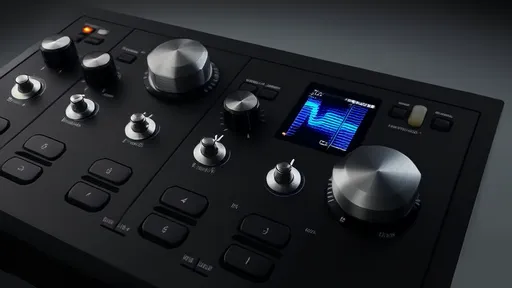
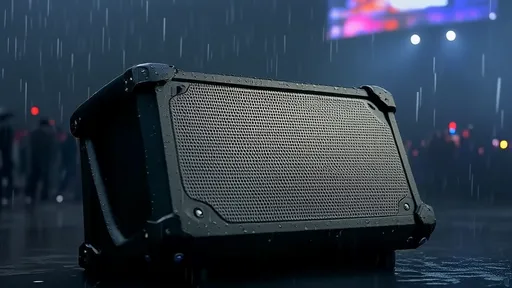
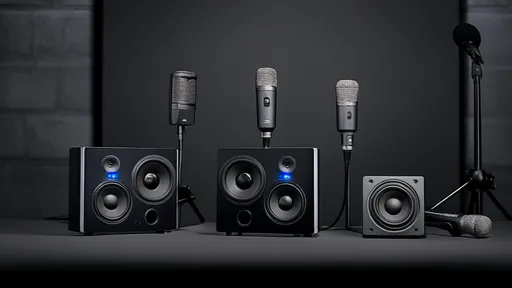
The most innovative projects incorporate adaptive sound systems that respond to real-time conditions. Distributed microphone arrays feed data to processing units that adjust output from carefully positioned speakers. During morning exercise classes, the system might enhance mid-range frequencies to support instructor voices. In evening social hours, it could emphasize bass tones to create energy while maintaining conversation clarity. This dynamic approach represents a significant leap from the one-size-fits-all amplification of previous generations.
Community involvement has proven essential for successful soundscape projects. Forward-thinking municipalities now conduct "sound walks" where residents identify bothersome noises and pleasant acoustic elements. These participatory exercises often reveal local preferences that contradict professional assumptions. In one notable case, residents requested preservation of a particular echo effect near a historic wall that professionals had marked for acoustic treatment, demonstrating how emotional connections to sound can outweigh technical perfection.
The psychological impact of these upgrades frequently exceeds expectations. Shop owners near upgraded squares report increased business as people linger longer. Police departments note reduced conflict in well-tuned acoustic environments. Perhaps most surprisingly, biodiversity surveys show increases in bird populations following soundscape improvements, as reduced low-frequency noise makes the areas more habitable for urban wildlife. These secondary benefits are driving more cities to prioritize acoustic quality in public space budgets.
Implementation challenges remain, particularly regarding maintenance of sophisticated systems. The most successful projects establish clear protocols for regular speaker calibration, surface material upkeep, and system updates. Some cities have created specialized acoustic maintenance positions within their parks departments, recognizing that soundscape quality requires ongoing attention comparable to landscaping or lighting systems. Proper training ensures that groundskeepers understand how their work affects the acoustic environment.
Looking ahead, the field of public space acoustics continues to evolve rapidly. Experimental installations are testing directional sound technology that creates localized audio zones without spillover. Researchers are developing "acoustic landmarks" - distinctive sound signatures that help with wayfinding while adding character. As urban density increases and noise pollution becomes more pressing, the thoughtful design of community square soundscapes will likely become standard practice rather than exceptional innovation.
The transformation of community squares through acoustic design represents a quiet revolution in urban planning. By treating sound as a design element rather than a nuisance, cities create public spaces that truly serve their communities. The best implementations achieve that rare balance where the soundscape feels completely natural until you notice how carefully it's been composed - the mark of any great design working exactly as intended.

By /Aug 13, 2025

By /Aug 13, 2025
By /Aug 13, 2025

By /Aug 13, 2025

By /Aug 13, 2025
By /Aug 13, 2025
By /Aug 13, 2025
By /Aug 13, 2025

By /Aug 13, 2025

By /Aug 13, 2025
By /Aug 13, 2025

By /Aug 13, 2025
By /Aug 13, 2025

By /Aug 13, 2025

By /Aug 13, 2025

By /Aug 13, 2025
By /Aug 13, 2025

By /Aug 13, 2025

By /Aug 13, 2025

By /Aug 13, 2025
