In the world of live streaming, audio quality can make or break a content creator's success. While cameras and lighting often steal the spotlight, the unsung heroes of any professional stream are the audio interface (sound card) and microphone preamp (preamp) working behind the scenes. These two components form the backbone of crystal-clear vocal delivery, allowing streamers to connect with their audience through pristine sound reproduction.
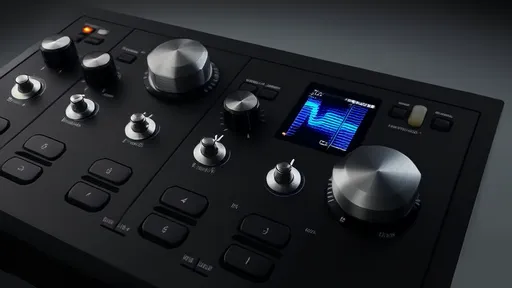
The sound card, also known as an audio interface, serves as the bridge between analog audio signals from microphones and the digital realm of computers. High-quality sound cards provide superior analog-to-digital conversion, ensuring that every nuance of the human voice is captured without unwanted noise or distortion. For streamers, features like zero-latency monitoring, multiple input options, and robust driver support become crucial considerations when selecting their audio interface.
Microphone preamps play an equally vital role in the signal chain. These devices amplify the weak electrical signal from microphones to a level suitable for processing and recording. The quality of this amplification significantly impacts the final sound - better preamps offer cleaner gain with lower noise floors, preserving the natural character of the voice while adding professional polish. Many modern sound cards come with built-in preamps, but serious streamers often opt for dedicated external units to achieve broadcast-quality results.
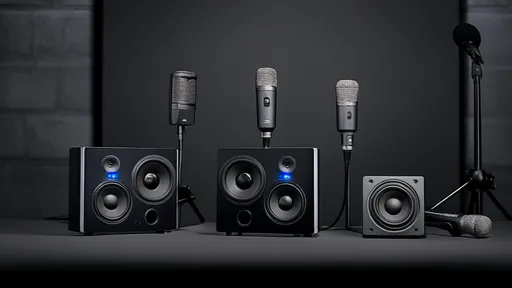
The synergy between sound card and preamp becomes particularly important when dealing with different microphone types. Dynamic microphones, popular among streamers for their durability and background noise rejection, typically require more gain than condenser microphones. A high-quality preamp with ample clean gain paired with a transparent sound card can make even entry-level dynamic mics sound professional. Conversely, sensitive condenser microphones benefit from preamps with ultra-low noise characteristics and sound cards with high headroom to prevent clipping.
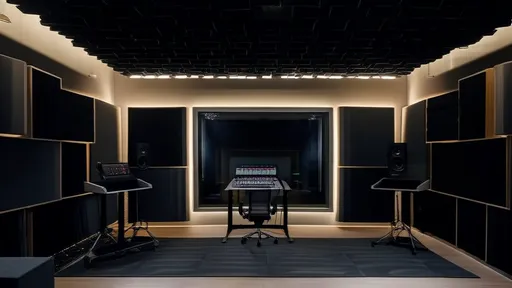
Streamers working in untreated acoustic environments face additional challenges that proper equipment pairing can help overcome. A sound card with good digital signal processing capabilities combined with a preamp offering variable impedance matching allows content creators to tailor their sound to compensate for less-than-ideal recording spaces. Features like high-pass filters, basic EQ, and compression available in some interfaces can help clean up audio in real-time without resorting to post-processing.
Budget considerations inevitably come into play when assembling a streaming setup. The market offers everything from all-in-one USB microphones with built-in sound cards to high-end separate components costing thousands of dollars. Mid-range solutions often provide the best balance, with dedicated sound cards featuring respectable preamps that outperform computer onboard audio while remaining affordable. As streamers grow their audience and production values, upgrading to discrete components typically yields noticeable improvements in audio quality.
Connectivity options represent another critical factor in the sound card/preamp equation. USB interfaces dominate the streaming market for their plug-and-play simplicity, while Thunderbolt and PCIe options cater to professionals needing ultra-low latency and multiple channel counts. The choice often depends on the streamer's computer setup and whether they need to accommodate additional audio sources like musical instruments or multiple microphones for co-hosted shows.
Software integration completes the picture of an optimal streaming audio setup. Modern sound cards often come bundled with digital audio workstation (DAW) software and various plugins for voice processing. The ability to route audio flexibly between applications becomes essential for streamers running game audio, voice chat, and background music simultaneously. A well-chosen sound card with robust driver support can handle these complex routing scenarios without dropouts or synchronization issues.
Looking toward the future, streaming audio technology continues evolving at a rapid pace. Emerging features like AI-powered noise reduction, automatic gain control, and real-time voice enhancement are beginning to appear in consumer-level equipment. These advancements promise to make professional-quality streaming audio more accessible than ever, potentially changing how content creators approach their audio setups. However, the fundamental relationship between quality sound cards and capable preamps will likely remain central to achieving excellent streaming audio for years to come.
For aspiring streamers, the journey to perfect audio begins with understanding how these components work together. While flashy peripherals might grab attention, investing in a solid sound card and preamp combination lays the foundation for audience growth and content quality. The difference between amateur and professional streaming often comes down to these unseen audio components working in harmony behind the microphone.

By /Aug 13, 2025

By /Aug 13, 2025

By /Aug 13, 2025

By /Aug 13, 2025

By /Aug 13, 2025
By /Aug 13, 2025
By /Aug 13, 2025
By /Aug 13, 2025
By /Aug 13, 2025
By /Aug 13, 2025

By /Aug 13, 2025
By /Aug 13, 2025
By /Aug 13, 2025

By /Aug 13, 2025
By /Aug 13, 2025
By /Aug 13, 2025
By /Aug 13, 2025

By /Aug 13, 2025

By /Aug 13, 2025

By /Aug 13, 2025
