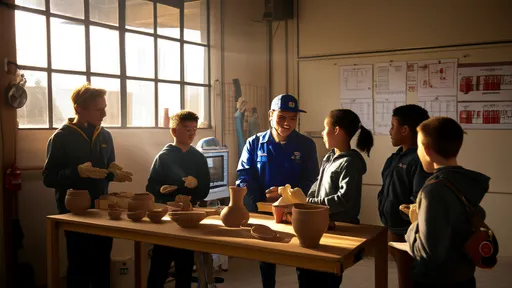
The hum of a kiln firing ceramics is a familiar sound in any thriving campus pottery studio. For students and faculty alike, the kiln represents the transformative heart of the creative process, where raw clay becomes enduring art. Yet this powerful equipment demands respect and rigorous safety measures. Proper kiln management isn't just about achieving perfect glaze results—it's about safeguarding lives and preserving studio spaces.
Kilns operate at extreme temperatures, often exceeding 2000°F, creating inherent risks that cannot be ignored. Studios must prioritize proper ventilation systems to prevent the buildup of harmful fumes. Many glazes release toxic substances like lead or cadmium during firing, and even seemingly innocent clay bodies can emit hazardous particulates. A well-designed ventilation system pulls these dangers away from breathing zones while maintaining stable kiln temperatures.
Beyond air quality, the physical placement of kilns requires careful consideration. They should never occupy cramped corners or areas with high foot traffic. Establish a clear perimeter—at least three feet of unobstructed space on all sides—to prevent accidental contact and allow for proper heat dissipation. Fireproof materials like cement board or ceramic fiber insulation should surround the kiln's installation site, particularly when positioned near walls.
Electrical safety forms another critical pillar of kiln management. Older campus buildings often lack the robust circuitry needed to support modern kilns. Before installing any equipment, consult with licensed electricians to verify adequate voltage capacity and proper grounding. Never use extension cords as temporary solutions; this invites overheating and potential electrical fires. Regular inspection of all wiring and control panels should be mandatory, with any frayed cables or malfunctioning components immediately taken out of service.
The human element of kiln safety cannot be overstated. Only properly trained individuals should operate these machines, regardless of how "simple" digital controllers might appear. Comprehensive training must cover loading techniques to prevent shelf collapses, understanding cone ratings, responding to thermal runaway situations, and emergency shutdown procedures. Maintain detailed logs of each firing cycle, including the operator's name, temperature curves, and any observed anomalies.
Personal protective equipment (PPE) constitutes the last line of defense against kiln-related injuries. Heat-resistant gloves with extended cuffs protect against burns when loading or unloading. Safety goggles shield eyes from infrared radiation during peephole inspections, while respirators rated for fine particulates should be available when handling powdered glaze materials. Reinforced toe shoes prevent crushing injuries from heavy shelves or accidental drops.
Emergency preparedness separates professional studios from amateur setups. Clearly marked fire extinguishers rated for electrical and chemical fires must be mounted within easy reach. Studio managers should conduct regular drills covering kiln-related emergencies, ensuring everyone knows evacuation routes and first-response protocols. Post visible signage listing emergency contacts and step-by-step shutdown instructions near every kiln station.
Maintenance forms the unsung hero of long-term kiln safety. Schedule monthly inspections of heating elements for signs of wear or warping. Brick interiors require checking for cracks that could lead to heat loss or uneven firing. Regularly vacuum out accumulated debris—clay dust becomes conductive at high temperatures, creating shock hazards. Keep manufacturer manuals accessible, as they contain model-specific maintenance checklists and troubleshooting guides.
The culture surrounding kiln safety matters as much as the physical precautions. Seasoned potters should model responsible behavior, avoiding shortcuts even during hectic midterm weeks. Encourage students to voice concerns about unsafe practices without fear of reprisal. Consider appointing rotating "kiln safety captains" from advanced ceramics classes to foster collective responsibility.
As ceramics programs expand across campuses, integrating these safety measures from the outset prevents tragic accidents and costly facility damage. A well-run pottery studio balances creative freedom with disciplined protocols, ensuring generations of students can safely explore this ancient craft. The true mark of success isn't just stunning finished pieces—it's an unbroken safety record that allows the artistic journey to continue.

By /Aug 11, 2025

By /Aug 11, 2025

By /Aug 11, 2025

By /Aug 11, 2025

By /Aug 11, 2025

By /Aug 11, 2025

By /Aug 11, 2025

By /Aug 11, 2025

By /Aug 11, 2025
By /Aug 11, 2025

By /Aug 11, 2025

By /Aug 11, 2025

By /Aug 11, 2025

By /Aug 11, 2025
By /Aug 11, 2025
By /Aug 11, 2025

By /Aug 11, 2025

By /Aug 11, 2025

By /Aug 11, 2025

By /Aug 11, 2025
