Community Fiber Art: The Healing Collective Practice of Weaving

Aug 11, 2025 By

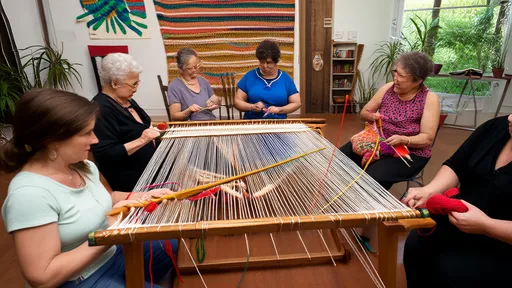
The hum of conversation mixes with the rhythmic click of knitting needles. A basket of vibrant yarn passes from hand to hand as newcomers are welcomed into the circle. This is no ordinary craft group—it's a growing movement where fiber arts become conduits for connection, storytelling, and unexpected therapeutic benefits. Across cities and small towns, community-based textile projects are redefining what it means to create together.

At the heart of this phenomenon lies an ancient truth newly rediscovered: the act of making with one's hands in community carries profound psychological and social rewards. Unlike solitary crafting, these gatherings intentionally cultivate spaces where stitches become metaphors for life's tangles and triumphs. "When our fingers are busy, our tongues loosen," observes Mariana Torres, founder of the Brooklyn-based Stitch & Belong initiative. "People share stories over yarn that they wouldn't disclose in more formal support groups."

The therapeutic dimensions reveal themselves in unexpected ways. Veterans with PTSD find grounding in the repetitive motion of crochet. Survivors of trauma work through complex emotions by literally knotting and unknotting fibers. Neurological research now confirms what practitioners have long observed—the bilateral hand movements in knitting and weaving activate both brain hemispheres, creating states similar to meditation. But as clinical psychologist Dr. Ellen Park notes, "The magic happens when individual practice becomes collective. Shared rhythm synchronizes heartbeats. That's biochemistry reinforcing human connection."

These projects often emerge from grassroots efforts rather than institutional programs. In Detroit, the Weave Detroit collaborative transforms abandoned lots into communal weaving sites using recycled materials. Participants—ranging from teenagers to senior citizens—literally interlace their stories into large-scale installations that later adorn public spaces. "The fabric holds our collective memory," says co-founder Jamal Wright. "You can see where someone worked through grief by the tension in their stitches, or where joy made the colors explode."

Cultural preservation forms another vital thread. Indigenous communities from New Mexico to Norway are revitalizing traditional textile techniques as intergenerational healing practices. The Sámi Duodji circles in Scandinavia, for instance, combine reindeer leather crafting with oral storytelling to strengthen cultural identity among youth. Similarly, Navajo weavers in Arizona host "sheep to shawl" workshops that reconnect urban tribal members with ancestral knowledge systems through every step of the process—from shearing to dyeing to loom work.

Economic empowerment weaves through these initiatives as well. The London-based Made in Hackney fiber collective trains refugee women in sustainable fashion skills while building social networks. What begins as skill-sharing often blossoms into micro-enterprises, with participants creating marketable goods from upcycled materials. Yet as project coordinator Leila Hassan emphasizes, "The real product isn't the scarves or baskets—it's the restored sense of purpose. Many women arrive isolated by language barriers; they leave with a sisterhood."

Public health researchers are taking notice. A three-year study across five Canadian provinces demonstrated significant reductions in loneliness markers among seniors participating in community knitting groups—findings that prompted several healthcare systems to prescribe "social crafting" for isolated patients. Meanwhile, prisons in Sweden and Australia report decreased behavioral incidents after introducing guided fiber art programs that emphasize collaborative projects over solitary cell work.

The digital age has added unexpected dimensions to this tactile movement. During pandemic lockdowns, virtual "stitch-ins" became lifelines for many. Platforms like Zoom enabled international participation, with screens filled with close-ups of works-in-progress as participants exchanged techniques across continents. Hybrid models now persist, with some groups maintaining global membership while anchoring in-person meetings locally. The World Wide Knit in Public Day initiative has grown into a decentralized phenomenon, with "stitch mobs" appearing simultaneously in parks from Seoul to São Paulo.

Material choices increasingly reflect ecological consciousness. Many collectives prioritize natural dyes, reclaimed fibers, and regenerative textile sources—turning each project into subtle environmental education. The Portland Fiber Commons operates on a "scrap communion" principle where no yarn scrap is too small to be repurposed. Their massive community quilt, assembled from thousands of donated fragments, visually embodies the ethos: "What others discard, we transform into collective beauty."

Perhaps most remarkably, these projects demonstrate how analog traditions can address digital-age maladies. In a world of fragmented attention and disembodied interactions, the slow, tactile nature of fiber arts creates countercultural spaces. As Torres reflects, "There's radical power in sitting shoulder-to-shoulder, creating something tangible at human speed. Every dropped stitch repaired becomes a small lesson in resilience." The stitches accumulate, the fabrics grow, and so too does the woven strength of communities choosing to make—and heal—together.

The movement shows no signs of fraying. As more people discover the alchemy that happens when craft meets community, new variations continue emerging: knitting collectives for new parents navigating postpartum depression, weaving workshops for unemployed coal miners retraining in creative fields, quilting bees that bring together polarized political constituencies. The throughline remains constant—in sharing threads, people discover deeper connections. What begins as learning to purl or warp a loom often becomes something far greater: the reweaving of social fabric itself, one stitch at a time.
Recommend Posts
Arts

Reviving Old Wall Murals: Creative Repair of Historical Traces

By /Aug 11, 2025

The old brick wall stood silently for decades, its weathered surface bearing witness to generations of urban transformation. What was once considered an eyesore in the bustling city center has now become a vibrant canvas where history and contemporary creativity engage in a fascinating dialogue. Across global cities, from Berlin's East Side Gallery to Melbourne's laneway masterpieces, communities are rediscovering the power of mural art as a tool for urban regeneration and cultural preservation.
Arts

Hospital Wayfinding System: Color Planning for Healing Environments"

By /Aug 11, 2025

Hospital environments are often associated with stress, anxiety, and uncertainty. For patients, visitors, and even staff, navigating complex healthcare facilities can be an overwhelming experience. This is where effective wayfinding systems play a crucial role in creating intuitive, calming spaces that promote healing rather than frustration. Among the various elements that contribute to successful hospital navigation, color stands out as one of the most powerful yet frequently underestimated tools in environmental design.
Arts

Artistic Park Benches: The Symbiosis of Function and Aesthetics in Design"

By /Aug 11, 2025

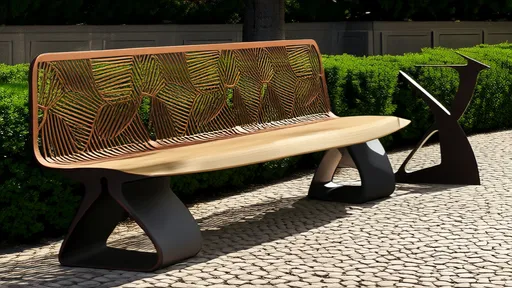
The humble park bench, often overlooked as mere street furniture, has quietly evolved into a canvas for urban artistry and thoughtful design. Across global cities, these everyday objects are being reimagined as sculptural installations that serve both practical needs and artistic expression. This fusion of utility and beauty represents a growing movement in public space design—one that prioritizes human experience while enhancing civic pride.
Arts

Subway Station Ceramic Murals: Narratives of Commuting Spaces

By /Aug 11, 2025

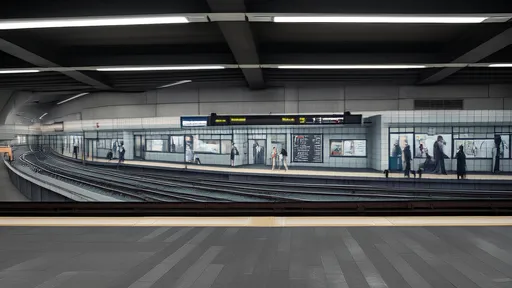
The hum of trains, the hurried footsteps of commuters, and the flickering lights of passing carriages—these are the familiar sights and sounds of subway stations worldwide. Yet, in many cities, these transit hubs have evolved beyond mere functional spaces. They have become canvases for cultural expression, where ceramic murals transform sterile corridors into vibrant storytelling platforms. These artworks do more than beautify; they embed local histories, myths, and identities into the daily rhythms of urban life.
Arts

Digital Print Authentication: Ensuring the Value of Limited Reproductions

By /Aug 11, 2025

The art market has always thrived on scarcity and authenticity. In the digital age, where replication is effortless and often uncontrollable, the concept of value faces new challenges. This is particularly true for digital prints, which, unlike traditional paintings or sculptures, can be reproduced indefinitely without degradation. The emergence of certified limited-edition digital prints has introduced a framework to preserve the exclusivity and monetary worth of digital artworks. By combining blockchain technology, artist verification, and strict edition controls, the art world is adapting to ensure that digital creations retain their collectible status.
Arts

Screen Gradient Printing: The Gradual Transition of Dot Density Hierarchy

By /Aug 11, 2025

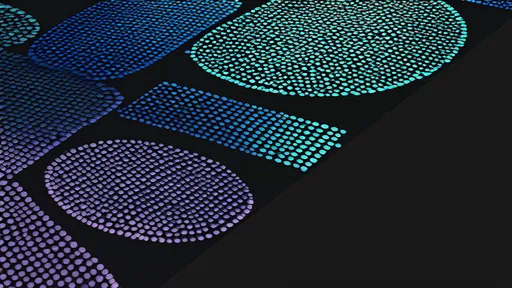
In the intricate world of screen printing, few techniques demand as much precision and artistic sensitivity as halftone gradient printing. This method, which creates the illusion of continuous tone through carefully calibrated dot patterns, represents both a technical challenge and an aesthetic triumph when executed properly. The journey from dense ink coverage to subtle translucence requires an intimate understanding of how dot density interacts with human perception.
Arts

Fine Point Method of Copperplate Etching: The Rhythm of Gray Tones Created by the Rocking Knife"

By /Aug 11, 2025

The art world has long been fascinated by the intricate beauty of copperplate engraving, but few techniques capture the subtlety of tonal gradation quite like the mezzotint rocking method. This centuries-old approach to creating velvety gray tones through meticulously textured copper plates represents one of printmaking's most labor-intensive yet visually rewarding processes.
Arts

Ink Stone and Ink Wash Texture: The Random Beauty of Oil and Water Repulsion"

By /Aug 11, 2025

In the quiet corners of printmaking studios, an ancient alchemy unfolds—one where grease and water wage a delicate battle upon limestone slabs. Stone lithography, a 19th-century invention that revolutionized art reproduction, continues to captivate contemporary artists with its unpredictable textures. The technique relies on a fundamental antagonism: oil-based inks cling to drawn marks while repelling water-soaked blank areas. But within this scientific principle lies an ocean of artistic accidents—the granular blooms, feathery bleeds, and volcanic crackles that transform mechanical reproduction into a dance of chance.
Arts

Ethics of Documentary Photography: The Boundary Between Observation and Intervention

By /Aug 11, 2025

Documentary photography has long been a powerful medium for capturing raw, unfiltered moments of human experience. Yet, behind every compelling image lies a complex ethical dilemma: when should the photographer remain an impartial observer, and when does moral responsibility demand intervention? This tension between bearing witness and stepping into the frame defines the very soul of the genre.
Arts

Registration Control in Multi-color Woodcut Printing

By /Aug 11, 2025

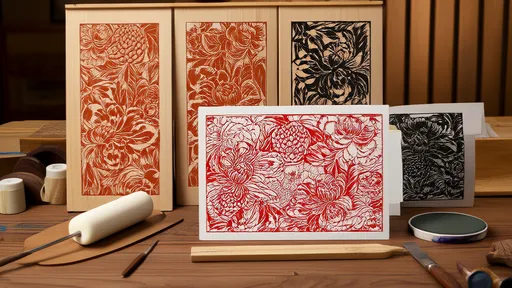
Woodblock printing, an ancient art form with roots in East Asia, has evolved over centuries into a sophisticated technique capable of producing intricate multicolor designs. Among the various challenges faced by printmakers, achieving precise color registration in multicolor woodblock prints stands as one of the most demanding aspects of the craft. The process, known as kento in Japanese or dui ban in Chinese, requires meticulous attention to detail and a deep understanding of material behavior.
Arts

Macro Photography of Insects: The Structural Beauty of Compound Eyes

By /Aug 11, 2025

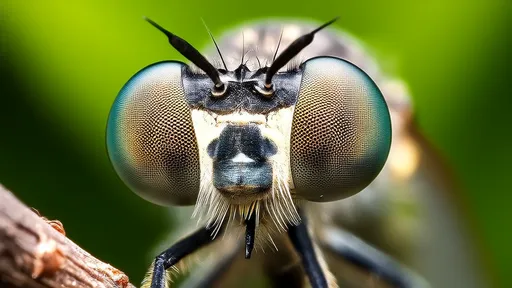
The world of macro photography unveils a hidden universe, one that often escapes the naked eye. Among its most mesmerizing subjects are the intricate compound eyes of insects, structures so complex and beautifully designed that they rival the most sophisticated human-made optical systems. These multifaceted organs, evolved over millions of years, are not just functional marvels but also stunning visual spectacles when captured through the lens of a skilled photographer.
Arts

Stage Photography Anticipation: Capturing the Climactic Moment"

By /Aug 11, 2025

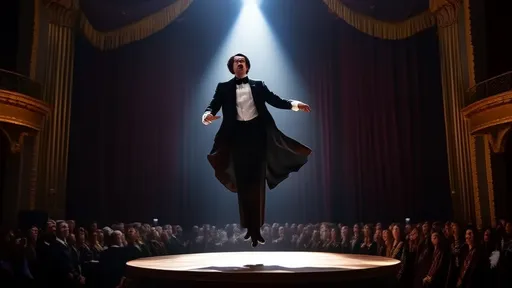
Stage photography is a dance between patience and precision, where the click of a shutter must align perfectly with the fleeting magic of live performance. Unlike other forms of photography, it demands an almost prophetic ability to anticipate moments before they unfold. The difference between a good shot and an extraordinary one often hinges on the photographer’s understanding of rhythm, emotion, and the unspoken language of the stage.
Arts

Architectural Photography Perspective: The Correction Magic of Tilt-Shift Lenses"

By /Aug 11, 2025

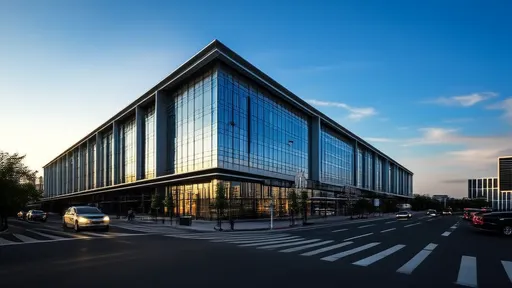
In the realm of architectural photography, where straight lines and geometric precision reign supreme, few tools are as revered—or as misunderstood—as the tilt-shift lens. Unlike conventional optics, these specialized lenses don’t just capture light; they bend reality itself, offering photographers an almost alchemical ability to correct distortion and manipulate perspective. The result? Buildings that stand tall and true, free from the converging verticals that plague standard wide-angle shots.
Arts

Classical Platinum Print: The Image Deposition of Precious Metals

By /Aug 11, 2025

The world of alternative photographic processes is a treasure trove for those who seek to explore the intersection of art, chemistry, and history. Among these processes, platinum and palladium printing stand out as some of the most exquisite and enduring methods of creating photographic images. Known for their unparalleled tonal range, depth, and permanence, these noble metal-based prints have captivated artists and collectors for over a century. The allure lies not just in the final image but in the meticulous, hands-on process that transforms light and chemistry into tangible art.
Arts

Community Fiber Art: The Healing Collective Practice of Weaving

By /Aug 11, 2025

The hum of conversation mixes with the rhythmic click of knitting needles. A basket of vibrant yarn passes from hand to hand as newcomers are welcomed into the circle. This is no ordinary craft group—it's a growing movement where fiber arts become conduits for connection, storytelling, and unexpected therapeutic benefits. Across cities and small towns, community-based textile projects are redefining what it means to create together.
Arts

Campus Pottery Workshop: Safety Standards for Kiln Management

By /Aug 11, 2025

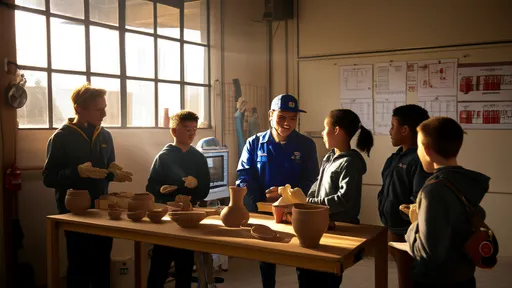
The hum of a kiln firing ceramics is a familiar sound in any thriving campus pottery studio. For students and faculty alike, the kiln represents the transformative heart of the creative process, where raw clay becomes enduring art. Yet this powerful equipment demands respect and rigorous safety measures. Proper kiln management isn't just about achieving perfect glaze results—it's about safeguarding lives and preserving studio spaces.
Arts

Museum Sketching Class: Refining the Lines of Classic Sculptures"

By /Aug 11, 2025

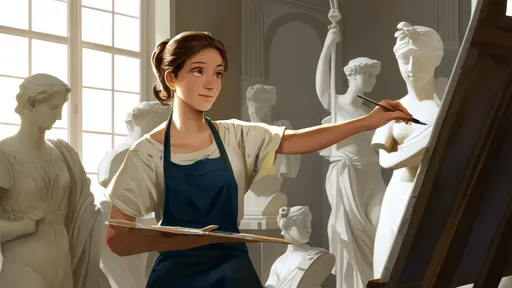
The hushed halls of museums have long been sanctuaries for artists seeking inspiration from the timeless beauty of classical sculptures. In recent years, a unique educational trend has emerged—structured sketching classes held within these very galleries. These sessions focus not on replicating the sculptures in their entirety, but on the sophisticated practice of extracting and refining their essential lines.
Arts

Silver Hair Calligraphy Class: Balancing Mind and Body through Brush and Ink Training"

By /Aug 11, 2025

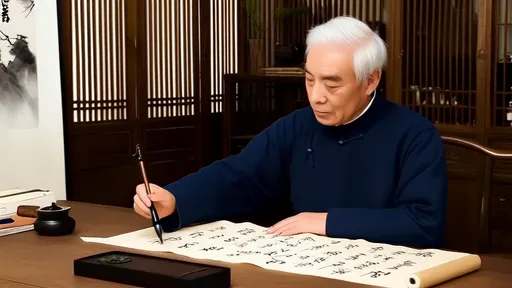
The art of calligraphy has long been revered as a meditative practice, a bridge between the physical and the spiritual. For the elderly, it offers more than just aesthetic pleasure—it becomes a tool for cultivating balance, both in body and mind. The Silver Calligraphy Class: Physical and Mental Equilibrium Through Brush and Ink explores how this ancient practice is being adapted to meet the needs of older adults, fostering not only artistic expression but also holistic well-being.
Arts

Youth Sketch Advancement: Transition from Geometric Bodies to Portraits"

By /Aug 11, 2025

For decades, art educators have recognized the importance of building fundamental skills before tackling complex subjects. The journey from geometric shapes to human portraiture represents one of the most challenging yet rewarding transitions in artistic development. This progression forms the backbone of many classical art education systems, particularly when working with adolescent students whose cognitive and motor skills are undergoing significant changes.
Arts

Innovative Exhibition of Documents: The Dialogue of Manuscripts and Artifacts Across Time and Space"

By /Aug 11, 2025

In the ever-evolving landscape of cultural exhibitions, a groundbreaking approach has emerged, redefining how audiences engage with historical narratives. The Innovation in Exhibition Display: A Spatiotemporal Dialogue Between Manuscripts and Artifacts represents a paradigm shift in museology, where static displays give way to dynamic conversations across time and space. This revolutionary concept transcends traditional exhibition formats by creating immersive environments where handwritten documents and three-dimensional objects enter into meaningful discourse.