Stage photography is a dance between patience and precision, where the click of a shutter must align perfectly with the fleeting magic of live performance. Unlike other forms of photography, it demands an almost prophetic ability to anticipate moments before they unfold. The difference between a good shot and an extraordinary one often hinges on the photographer’s understanding of rhythm, emotion, and the unspoken language of the stage.
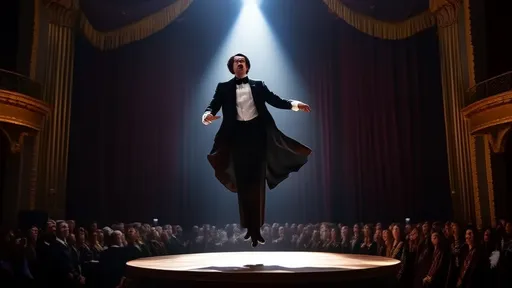
Every performance has its crescendo—a split second where movement, light, and expression converge into something transcendent. These climaxes are rarely accidental; they’re woven into the fabric of the production. A skilled stage photographer doesn’t just react to these moments but learns to predict them. This requires an intimate familiarity with the art form being photographed, whether it’s the suspended breath before a ballet leap or the electric pause before a musician’s final note.
The Physiology of Performance
Behind every climactic moment on stage lies a physiological blueprint. Dancers, for instance, follow biomechanical patterns—a preparation step precedes a grand jeté, a deep inhalation fuels a vocalist’s sustained high note. Photographers who study these subtle cues gain a tactical advantage. The key is to recognize the "pre-moment," the quiet tension that builds toward visual fireworks. When a flamenco dancer’s shoulders tense or an actor’s gaze sharpens during a soliloquy, the camera must already be poised.
Lighting designers unconsciously collaborate with photographers in this pursuit. Theatrical lighting often peaks with emotional climaxes—a sudden spotlight isolation, a dramatic color shift, or the notorious "go boom" cue where lights and action collide. Veteran stage photographers develop an almost synesthetic relationship with lighting consoles, sensing intensity changes before they manifest.
Cultural Nuances in Climax Recognition
Anticipatory skills vary dramatically across performance genres. In Kabuki theater, the mie pose—a frozen stance emphasizing emotional climax—follows specific drum patterns. Classical Indian dance uses eye movements (drishti bheda) to signal upcoming rhythmic sequences. Even in contemporary improv theater, performers emit micro-gestures before committing to bold choices. The photographer’s cultural literacy becomes as crucial as their technical skill.
Western theatrical traditions often telegraph climaxes through textual cues. Shakespearean "falling action" after a soliloquy or the rule of three in comedic delivery creates predictable rhythmic structures. Musical theater is particularly generous with its foreshadowing—orchestral swells and lyrical repetition serve as auditory countdowns to photographic gold.
Equipment as an Extension of Instinct
While anticipation is cerebral, its execution is mechanical. Stage photographers often disable certain automated features to avoid the split-second lag that kills perfect timing. Back-button focus separates focusing from shutter release, while burst modes become safety nets rather than crutches. Prime lenses force compositional commitment, creating muscle memory for framing anticipated moments.
Some develop unique hardware adaptations—a monopod with a quick-release head for vertical adjustments during dance sequences, or customized white balance presets for known lighting transitions. The most valuable tool, however, remains the photographer’s peripheral vision. Watching the edges of the stage often reveals upcoming entrances or prop movements that central action will soon interact with.
The Ethics of Anticipated Moments
This predictive approach raises philosophical questions about authenticity. Does anticipating a moment make the resulting image less "real"? Purists argue true documentary photography should react, not predict. But stage photography exists in a gray area—performances are themselves carefully constructed illusions. The photographer’s anticipation mirrors the audience’s suspended disbelief.
There’s also the delicate balance between preparation and intrusion. Seasoned professionals know when to disappear, avoiding the dreaded "photographer effect" where performers unconsciously alter their delivery upon noticing shutter clicks during vulnerable moments. The best stage photos often come when the artist forgets the camera’s presence entirely.
Training the Anticipatory Eye
Developing this skill set requires deliberate practice beyond technical photography drills. Many experts recommend studying frame-by-frame breakdowns of dance notation systems like Labanotation. Others suggest silent observation rehearsals—recording performances without taking a single photo, then reviewing to identify missed opportunities.
An emerging technique involves "shadow shooting"—photographing dress rehearsals while listening to director’s notes, absorbing the creative team’s intentional pacing. Some photographers even take basic movement workshops to physically understand the kinetic chain reactions that lead to photogenic moments.
The digital age has introduced new training tools. Motion prediction software originally designed for sports photography is being adapted for performing arts, analyzing movement patterns to forecast peak action. However, most masters of the craft still rely on that most analog of tools—the human gut feeling honed through years of watching stories unfold in real time.
In an era where AI can generate plausible stage scenes from text prompts, the irreplaceable value of authentic anticipated moments becomes even clearer. No algorithm can replicate the electric charge of a true performer at the precipice of artistic revelation, nor the photographer who knew exactly when that revelation would come.
By /Aug 11, 2025

By /Aug 11, 2025

By /Aug 11, 2025
By /Aug 11, 2025

By /Aug 11, 2025
By /Aug 11, 2025
By /Aug 11, 2025
By /Aug 11, 2025
By /Aug 11, 2025

By /Aug 11, 2025
By /Aug 11, 2025
By /Aug 11, 2025
By /Aug 11, 2025
By /Aug 11, 2025
By /Aug 11, 2025
By /Aug 11, 2025

By /Aug 11, 2025
By /Aug 11, 2025

By /Aug 11, 2025
By /Aug 11, 2025
